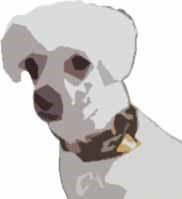
I'm not going to pretend I understood what was happening the first time I woke up from surgery — groggy, sore, and confused about the stitches in my mouth where three of my teeth used to be. I just knew something felt very wrong.
What I know now — what my humans learned the hard way — is that those three teeth didn't have to go. Neither did the four that followed in my second surgery, less than a year later. Seven teeth. Gone. All from a disease that research says is almost entirely preventable. And I'm only 7.
I'm a Toy Poodle. If you've looked at DentiPaws, you know that makes me one of the highest-risk breeds for dental disease — 26% of Toy Poodles are affected. That's one in four. My humans didn't know that when I was a puppy. They loved me. They fed me quality food, took me to annual vet checkups, and brushed my teeth when they remembered. Maybe once a week, sometimes less. They thought that was enough.
It wasn't.
How it happened
Everything looked fine. It wasn't.
Annual checkups, occasional brushing, dental chews when we remembered. My teeth looked okay to the naked eye at routine exams. What nobody saw was that periodontal disease was already forming below my gumline — in the 60% of my mouth that can only be seen with X-rays under anaesthesia.
The breath that started the worry.
My humans noticed my breath had changed — not just normal dog breath, but something they described as "off" and "fishy." I started dropping food sometimes when I chewed. They finally booked a proper dental examination under anaesthesia, with X-rays. What the vet found shocked them.
Three teeth extracted. A very hard day.
Severe periodontal disease. Three teeth were so far gone they had to come out. My humans cried in the car on the way home. I remember the recovery — soft food only, pain medication, and them gently stopping me from pawing at my sore mouth. It took weeks to feel normal again.
Everything changed — but the damage was already done.
After that first surgery my humans brushed my teeth every single day without fail. VOHC-approved chews. Water additive. Professional cleanings every six months. They did everything right. But four years of slow, silent disease had already caused bone loss that consistent care couldn't reverse.
Four more extractions.
The bone loss from those early years had progressed beyond saving. Four more teeth came out. This time we all knew what to expect — somehow that made it harder, not easier. Another anaesthetic. More stitches. More recovery. Seven teeth in total, gone before my seventh birthday.
Living well — but with consequences.
I'm happy. I'm loved. Soft food is easier now, and some toys aren't what they used to be — but I manage. My humans have let go of their guilt, and I've made my peace with what happened. They didn't know what they didn't know. That's exactly why this website exists.
What I wish my humans had known from the start: As a Toy Poodle I was at 5 times higher risk than a large breed dog. My tiny jaw crammed a full set of adult teeth into a space too small for them — creating constant plaque traps that no amount of chewing could clean. Daily brushing from puppyhood, combined with professional dental exams including X-rays every six months, could have caught everything while it was still reversible.
Four years of "when we remember" brushing became seven extractions before age 7. That timeline can be different for your dog.
Why DentiPaws exists
After my second surgery, my human spent weeks reading every piece of veterinary research she could find. She learned that 80% of dogs over 3 have periodontal disease. That only 4% of owners brush daily. That the "fishy breath" she first noticed wasn't cosmetic — it was active bacterial infection. That the disease I had is directly linked to kidney failure and heart valve infections.
She also found that the research existed — spread across journals, clinical studies, vet publications — but nobody had made it genuinely accessible for regular dog owners. No one had built something that simply said: "Your breed is high risk. Here is exactly what to do. Here is what to buy. Do it today."
So she built it. For me. For every dog who still has a chance to keep their teeth.
DentiPaws was built to:
- Give every breed their own guide — because a Greyhound's risks are nothing like a Lab's
- Give owners immediate, specific steps — not overwhelming walls of information
- Be honest about urgency — some situations need a vet this week, not next year
- Make daily dental care feel achievable — 2 minutes a day is genuinely enough if you start early
- Prevent other dogs from losing teeth they should never have lost
A note to your dog's owner
If you found this page because you Googled your dog's bad breath, noticed some yellowing, or your vet casually mentioned "some tartar buildup" — you're in exactly the right place, and you have not missed your window.
The research behind this website is based on millions of dogs across decades of veterinary studies. The patterns are consistent. Daily brushing works. Early professional exams catch disease when it's reversible. VOHC-approved products are genuinely effective. None of this is complicated — it just has to start.
The only thing standing between your dog and what happened to me is starting now. Not when the smell gets worse. Not at the next routine visit. Right now.
I can't get my seven teeth back. But your dog can keep theirs.