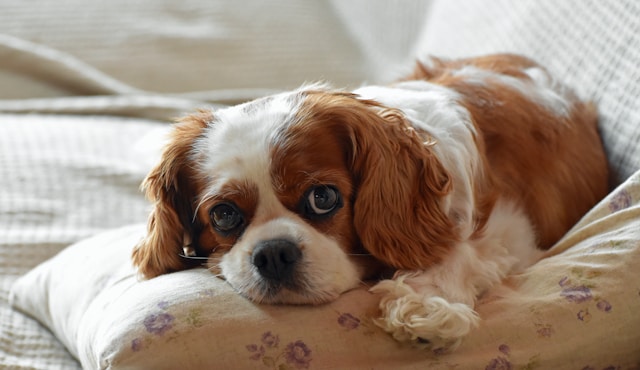
Cavalier King Charles Spaniel
Genetic predisposition to gum disease beyond jaw size
High Risk
Genetic predisposition to gum disease beyond jaw size
High RiskCavaliers appear consistently among the highest-risk breeds in large-scale veterinary studies. They carry a genetic tendency toward periodontal disease that goes beyond jaw size alone.
Spaniels as a group show a weaker local immune response to oral bacteria, making consistent daily preventive care essential.
Though less extreme than Pugs or French Bulldogs, Cavaliers have slight jaw compression that contributes to their dental risk.
Even with good home care, some Cavaliers develop gingivitis faster than average — professional monitoring every 6 months is important.
"Cavaliers carry a genetic predisposition to gum disease that goes beyond what brushing alone can control. Ask specifically about periodontal probing at dental exams — surface tartar is just the visible part of what's happening underneath."
Handmade in Canada — all-natural, no xylitol or sorbitol.
Easier to control in small mouths. Best starting point.
Canadian brand — add to the bowl daily. Odourless and tasteless.
Canadian brand — dental sticks with probiotics for small dogs.
🇨🇦 = Made or based in Canada · All links go to Amazon.ca with affiliate tag. Affiliate disclosure.
Are Cavaliers prone to dental disease?
Yes. Cavaliers consistently appear among the highest-risk breeds in veterinary studies, with a genetic predisposition that goes beyond jaw size.
How often should a Cavalier have a dental check?
Every 6 months. The combination of genetic predisposition and mild jaw compression means disease can advance rapidly between annual visits.
Why do Cavaliers get gum disease even with good care?
Cavaliers carry a genetic tendency toward gum inflammation and a weaker local immune response to oral bacteria.
What dental products work best for Cavaliers?
A quality enzymatic toothpaste used daily, complemented with an appropriately sized dental chew and a water additive, gives the best coverage.
Take Puffy's free 60-second quiz and get a personalised routine instantly.
⚡ Take the Free Quiz