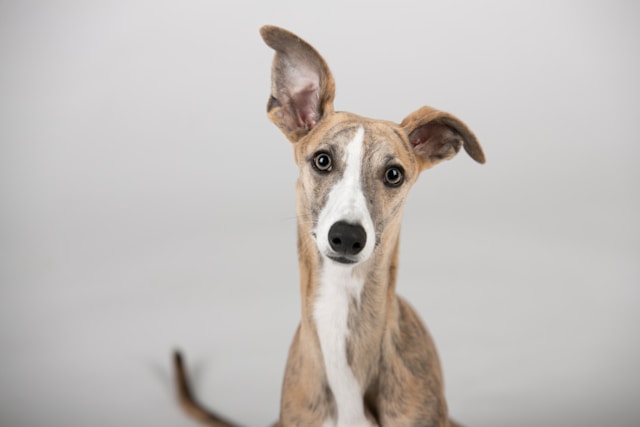
Greyhound
Naturally thinnest enamel of any breed — unique structural risk
High Risk
Naturally thinnest enamel of any breed — unique structural risk
High RiskGreyhounds have naturally thinner dental enamel than most other breeds. This allows bacteria to penetrate more easily and creates a unique structural vulnerability.
Greyhounds naturally have deeper gingival pockets than other breeds, creating zones impossible to clean at home.
Greyhounds are stoic dogs that rarely show pain obviously. Many ex-racing greyhounds arrive with advanced undiagnosed dental disease.
Unlike the common belief that large breeds have fewer dental problems, Greyhounds have one of the highest disease rates of any commonly studied breed.
"Greyhounds have the thinnest enamel of any breed — which is why ex-racing greyhounds often arrive with significant dental disease that their stoic nature has hidden completely. If you've adopted a retired racer, get a full dental X-ray within the first month. Don't assume healthy-looking means healthy."
Handmade in Canada — all-natural formula safe for daily use.
Angled for better access to the back teeth where tartar builds.
Canadian brand — odourless and tasteless daily bowl protection.
Canadian brand — sized for medium and large dogs. One per day.
🇨🇦 = Made or based in Canada · All links go to Amazon.ca with affiliate tag. Affiliate disclosure.
Why do Greyhounds have bad teeth if they're large?
Greyhounds have naturally thinner enamel and deeper gingival pockets than other breeds — unique structural characteristics that cause a high rate of periodontal disease regardless of size.
Does my adopted racing greyhound already have dental disease?
Very possibly. Book a full dental exam with X-rays as soon as you adopt. Don't rely on obvious symptoms — Greyhounds hide pain exceptionally well.
How often does a Greyhound need a professional dental cleaning?
Every 6 months. Greyhounds have some of the fastest disease progression of any commonly studied breed.
What toothpaste is best for a Greyhound?
A quality enzymatic dog toothpaste used daily is essential. Daily brushing is especially critical for Greyhounds due to their thin enamel.
Take Puffy's free 60-second quiz and get a personalised routine instantly.
⚡ Take the Free Quiz