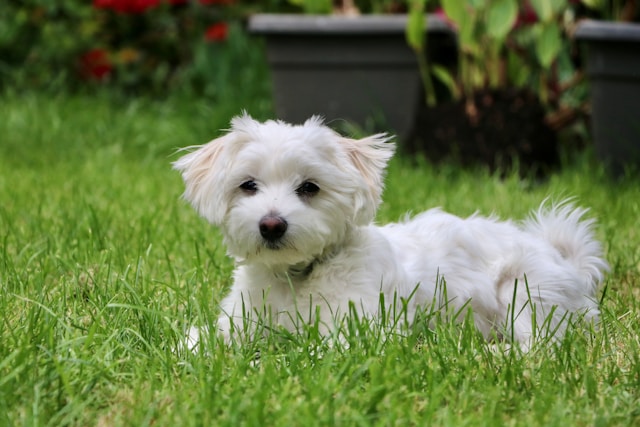
Maltese
Coat hides early signs — weekly inspection is essential
High Risk
Coat hides early signs — weekly inspection is essential
High RiskThe thick white fur around a Maltese's face frequently obscures the mouth, making visual checks difficult and delaying detection of dental problems.
Like most toy breeds, Maltese have a very small jaw with tightly packed teeth that create zones impossible to clean properly at home.
Maltese form tartar quickly, especially on the back teeth which are the most difficult to reach during brushing.
Persistent bad breath in a Maltese almost always indicates active bacterial accumulation — not normal dog breath.

"The coat around a Maltese's face hides so much — including early dental signs that every other owner would catch. Make it a weekly habit to part those facial hairs and actually look at the teeth. It takes 30 seconds and is one of the most useful things you can do."
Handmade in Canada — all-natural, no xylitol or sorbitol.
Easier to control in small mouths. Best starting point.
Canadian brand — add to the bowl daily. Odourless and tasteless.
Canadian brand — dental sticks with probiotics for small dogs.
🇨🇦 = Made or based in Canada · All links go to Amazon.ca with affiliate tag. Affiliate disclosure.
Why does my Maltese have bad breath?
Persistent bad breath in a Maltese almost always indicates active bacterial infection — not normal dog breath. A vet dental exam is recommended.
How do I check my Maltese's teeth through all that fur?
Gently part the facial fur at the mouth line and lift the lips. Check gum colour, yellowing and any brown deposits on the teeth.
How often should a Maltese have a professional dental cleaning?
Every 6 months from age 1. Maltese often develop periodontal disease before age 3.
What size dental chews are safe for a Maltese?
XS size only. Standard-size chews are a choking hazard for Maltese.
Take Puffy's free 60-second quiz and get a personalised routine instantly.
⚡ Take the Free Quiz